
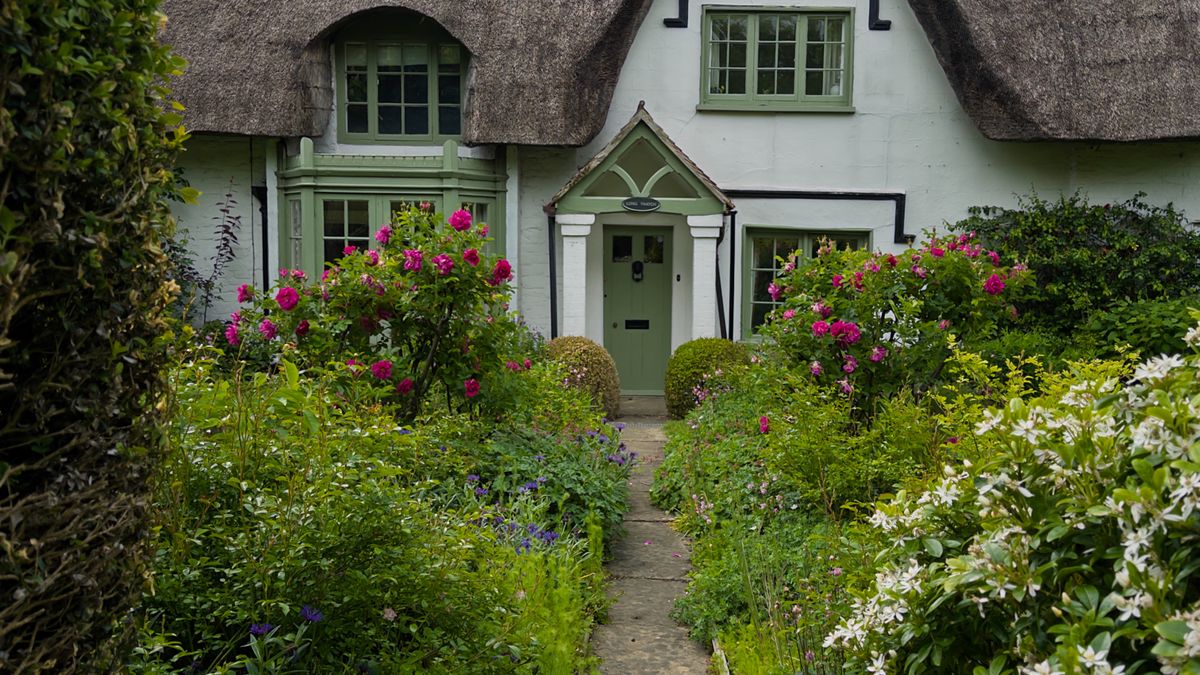
Roses have a reputation for being fussy, but most of the hard work happens in one afternoon a year. Get the annual prune right and you will be rewarded with a bush that stays healthy, flowers hard and shrugs off the worst of our damp British summers. Get it wrong and you will spend the season wondering why the blooms are small, the centre of the plant is a tangle of dead wood and blackspot is having a party.
For most bush, shrub, floribunda and hybrid tea roses, the window is late February to early March, just as the buds begin to swell. In milder parts of the country you can stretch to mid-March, but avoid pruning during a hard frost — the fresh cuts can be damaged and die back. Climbing roses are best tackled in late winter too, while ramblers should be left until after they have flowered in late summer, because they flower on the previous year's growth.
You do not need much kit, but it needs to be sharp:
Make every cut about five millimetres above a bud, sloping gently away from it so rain runs off the cut surface rather than sitting in the bud's eye. A blunt, ragged cut invites die-back; a sharp one heals over in days.
This is the single most useful rule in rose pruning. Look at the bud you want to cut back to and choose one pointing away from the centre of the bush. New growth will follow the direction of that bud, so outward-facing buds build an open, bowl-shaped plant with light and air reaching the middle. That airflow is your best defence against blackspot, rust and mildew, and it gives you more flowering stems rather than a congested thicket.
Work around the bush methodically, stepping back every few cuts to look at the shape. Aim for a framework of strong, well-spaced stems, roughly a hand's width apart, all leaning outwards. Inward-facing buds, which point into the middle, produce stems that rub and cross — exactly what you want to avoid.
Before you shorten anything, clear out the rubbish. Take out, right down to the base:
Then shorten the remaining stems. As a rough guide, bush roses can be cut back by about a third to a half, to around 15–30cm on the strongest shoots and higher on weaker ones. Shrub roses need less — a light tidy and removal of the oldest stems at the base every few years. Container and patio roses respond well to a firm spring prune, but never cut below the lowest strong bud.
Pruning is a shock, and the plant will answer it with a flush of new shoots. Give it something to build those shoots with. Scatter a balanced rose fertiliser around the root zone at the rate on the packet — typically a handful per bush — then water it in if the soil is dry. Repeat after the first flush of flowers in midsummer to encourage a strong second showing, and use a high-potash feed such as sulphate of potash in June to push energy into flower rather than leaf.
Roses in pots need more attention than those in the ground, because every watering leaches nutrients away. Feed container roses fortnightly from April to August with a diluted high-potash liquid feed, and top-dress the compost with a slow-release fertiliser in spring.
Once the fertiliser is down, spread a 5–8cm layer of well-rotted manure, leafmould or garden compost around the plant, keeping it clear of the stem and the graft. Mulch locks in moisture, suppresses weeds and feeds the soil life that does the real work of keeping a rose vigorous. In a small plot, a mulch ring around each rose is far more effective than trying to feed and water a whole border.
Finally, leave a few spent blooms to form hips. Rosehips are winter larder for blackbirds and thrushes, and single, open-flowered roses — especially the older shrub varieties — are far more useful to bees than tightly petalled doubles. Prune hard, feed generously, mulch patiently, and your roses will do the rest.

Hi, my name is Anthony kuber. I am artist and fashion designer.
I love to travel and writing blogging.
Your email address will not be published. Required fields are marked *
Software Developer & Writer
Hey, I'm Diva, a developer and writer blending code and creativity. I'm driven by a deep curiosity and a relentless pursuit of excellence. Join me as I craft digital solutions and captivating stories.


