
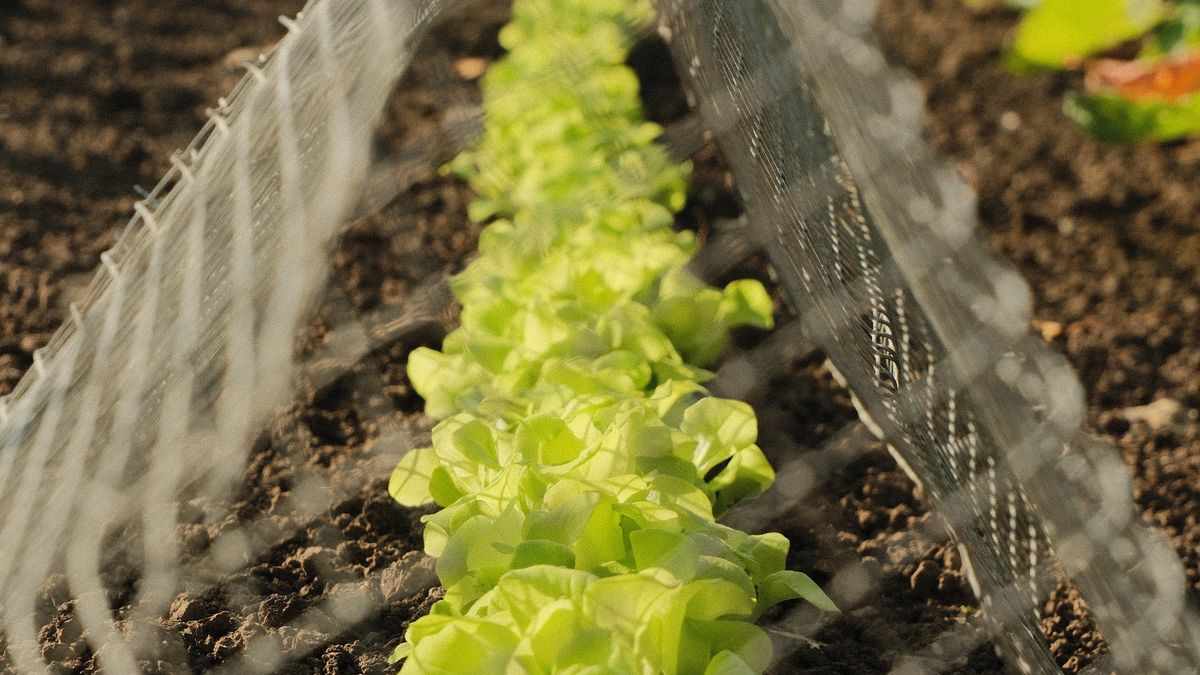
The garden wakes slowly in early spring, and the jobs you do now set up the whole season ahead. Whether you have a windy balcony, a small back garden or a single sunny windowsill, these are the tasks worth your time this month.
Early spring is the gardener's quiet opportunity: the soil is still cold, but the daylight is stretching and there is plenty you can start under cover. Hardy annuals are the easiest win. Sow calendula, cornflower, nigella, larkspur, sweet peas and ammi indoors or in a cold greenhouse now. Use a peat-free multipurpose compost in modular trays or small pots, sow thinly, cover with about 1cm of compost and water with a fine rose. Sweet peas benefit from an overnight soak and a small nick in the seed coat.
Keep trays at around 15–18°C until they germinate, then move them somewhere bright and cooler to grow sturdy plants. Harden them off gradually from mid-April, and plant out once the risk of frost has passed — usually late May across most of the UK. Sow in small batches every three or four weeks for flowers from June until the first frosts. If you garden on a balcony, a windowsill sowing of cut-and-come-again salad leaves, rocket and radish will give you an earlier crop than anything sown outside.
Buy seed potatoes now if you haven't already, and choose first and second earlies for chitting — maincrops can go straight into the ground. Stand the tubers upright in egg boxes or a shallow tray, with the "rose" end, the end with the most eyes, facing upwards. A cool, frost-free, well-lit spot is ideal: an unheated spare room, porch or greenhouse bench at around 10°C.
Darkness produces white, leggy shoots and weak plants, while good light gives you short, sturdy green or purple shoots in four to six weeks. Once shoots reach roughly 2cm, rub off all but the three or four strongest. Plant out when the soil has warmed — traditionally mid-March in the south and a fortnight or so later in the north. If space is tight, three tubers in a 40-litre bag of compost works beautifully on a patio. Earth up as shoots emerge and keep fleece handy for late frosts.
Now is the time to cut back shrubs that flower on new wood later in the year. Buddleja davidii can be cut hard to a low framework of 60–90cm, which keeps it compact and produces those long, nectar-rich cones in summer. Treat Hydrangea paniculata, hardy fuchsias, Caryopteris, Perovskia and Spiraea japonica in the same spirit: remove last year's growth back to a strong pair of buds, cutting to an outward-facing bud so the centre of the shrub stays open. Take out dead, damaged and crossing stems first.
Leave spring-flowering shrubs alone for now. Forsythia, Ribes, philadelphus, weigela and deutzia all flower on wood made last year, so pruning them now simply removes this season's display. Cut them back straight after flowering instead. A handful of balanced fertiliser and a mulch of garden compost after pruning will get everything off to a strong start.
Winter winds leave more damage than you would think. Walk the garden with secateurs and a pocketful of replacements, and check every tie and support. Tree ties should be firm but never tight — loosen them a notch so the trunk has room to thicken, and replace any that have perished. Climbing roses, clematis and wall shrubs need their wires and vine eyes inspected; a rusty nail or a rotten batten gives way at exactly the wrong moment, just as the plant puts on weight.
Look over obelisks, plant supports, pergolas, fence panels and greenhouse glazing clips at the same time. In containers, check that frost hasn't lifted rootballs clear of the compost — firm them back in and top up with fresh material. Raise pots onto feet so winter wet can drain away, and check for vine weevil grubs while you have them out. A few minutes now prevents a collapsed plant in June.
On a small plot, every centimetre counts, so think upwards as well as outwards. Replenish the top 5cm of compost in pots and raised beds, fork in a slow-release fertiliser, and mulch with well-rotted compost or leaf mould to lock in moisture. Climbing peas, mangetout and runner beans will crop heavily up a wigwam in a space barely a metre wide, while tumbling tomatoes or a single courgette in a large pot will fill a sunny patio corner with very little effort.
Group pots together to cut evaporation and shelter plants from wind, and position the thirstiest containers where you will actually notice them. A water butt is worth the investment if you have room for one, and a simple drip line on a timer takes the guesswork out of summer watering.
Resist the urge to tidy everything. Early spring is when insects are still waking, and a little mess is a lifeline. That said, some jobs genuinely help. Clean out nest boxes and rehang them on a north- or east-facing wall, two to three metres up and away from feeders and cat routes. Keep bird feeders topped up with high-energy food, and offer nesting material — dry moss, short straw, pet hair and thin twigs — in a wire basket or an old hanging basket.
Provide shallow water with a few stones in it for bees, birds and hedgehogs, and clean and refill it regularly. If you are sowing flowers for cutting, add some for pollinators too:
A small log pile in a shady corner, a patch of longer grass, and a 13cm gap at the bottom of the fence for hedgehogs will do more for wildlife than any gadget. Hold off the slug pellets and sprays, too — the birds, frogs and ground beetles will thank you for it.

Hi, my name is Anthony kuber. I am artist and fashion designer.
I love to travel and writing blogging.
Your email address will not be published. Required fields are marked *
Software Developer & Writer
Hey, I'm Diva, a developer and writer blending code and creativity. I'm driven by a deep curiosity and a relentless pursuit of excellence. Join me as I craft digital solutions and captivating stories.


