
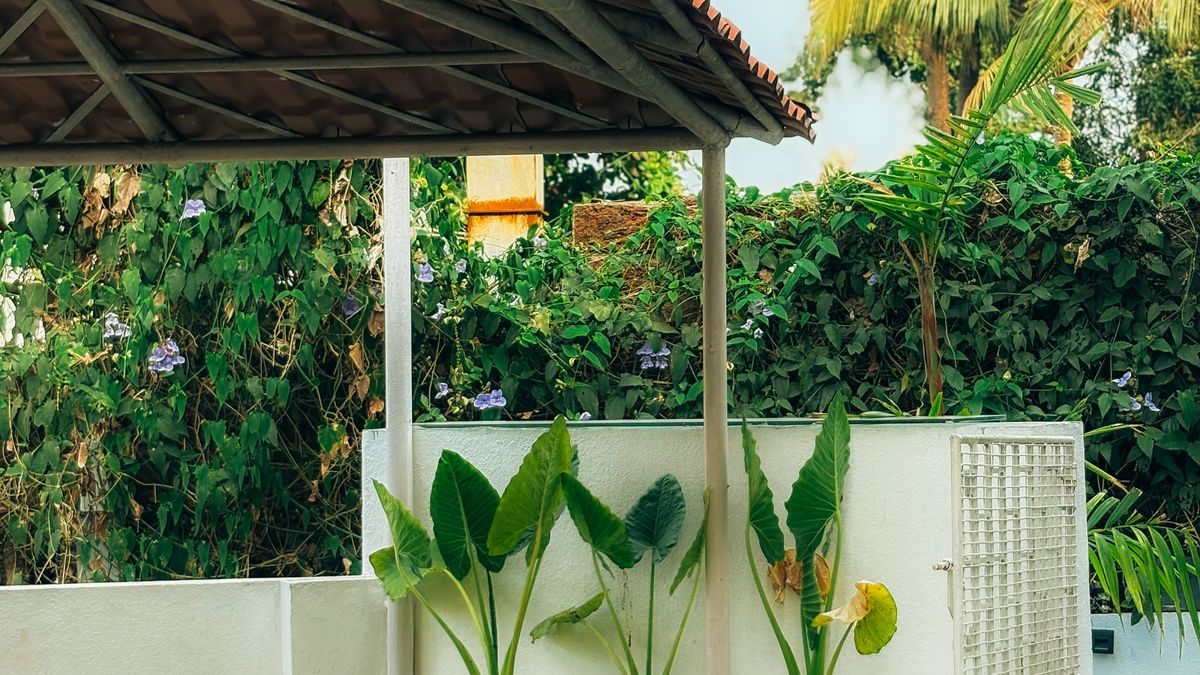
A solid panel fence gives you instant screening, but it gives wildlife almost nothing — and on a small plot it can make a garden feel like a corridor. A hedge does the same job of blocking sightlines, muffling traffic noise and softening wind, while adding nesting sites, berries and flowers into the bargain. It also links your plot to the wider landscape. If a few neighbours plant native hedges too, you create a corridor that insects, birds and small mammals can move along safely.
The trick with a limited space is to plant densely from the start. A thick, mixed native hedge will reach head height within three or four years and will outlive most fencing.
Single-species hedging can look smart, but a mix gives you a longer season of interest and far more wildlife value. These are the workhorses:
Aim for roughly 60 per cent hawthorn or blackthorn as the structural bulk, with the rest split between the others. On a small plot you might manage with just three species — hawthorn, hazel and holly is a proven combination.
Bare-root whips are young, single-stemmed plants lifted from the nursery field while dormant. They are far cheaper than potted stock, establish better, and the season runs from November to March, avoiding frozen or waterlogged ground. Order in autumn so you can plant before Christmas if the weather allows — early planting gives roots time to settle before spring.
Clear a strip at least 60cm wide of perennial weeds such as couch grass and bindweed before you start, digging in a little well-rotted organic matter if your soil is heavy clay or very sandy. You do not need fertiliser; rich feeding just produces soft growth that bends in the wind. If the whips arrive before the ground is ready, heel them into a spare patch of soil and keep them watered.
Space plants 30–45cm apart in a single row for a narrow boundary, or use a double staggered row about 45cm between rows if you have the room and want a really dense barrier. Dig a hole wide enough to spread the roots without bending them, plant to the same depth as the soil mark on the stem, firm in two stages with your heel, and water to settle the soil. Fit a spiral guard and stake if rabbits or deer are about.
This is where most new hedges are lost. A light sprinkle from a watering can does more harm than good, because it encourages shallow roots. Give each plant 10–15 litres a week — roughly a full large can between two or three whips — in dry spells from March right through to September. Water slowly at the base, ideally in the morning or evening, so it soaks in rather than running off.
Keep a metre-wide strip clear of grass and weeds for the first two years; competition at the roots stunts whips more than anything else. Heavy mulch of bark chippings or leafmould, 5–7cm deep and kept clear of the stems, will suppress weeds and lock in moisture. By the second summer you only need to water during genuinely prolonged drought.
Tempting as it is to leave everything alone, a light cut after planting pays off. In late winter, cut deciduous whips such as hawthorn and blackthorn back by about a third. That seems brutal, but it forces side shoots and gives you a bushy base rather than a row of bare stems.
For the next two or three years, trim the sides lightly in late winter and leave the leading shoots alone until the hedge reaches the height you want. Once it does, cut the top to that level and it will thicken from there. After that, a native hedge is happy with a tidy-up every second or third winter; formal, tightly clipped hedges need annual cutting.
Whatever your regime, avoid cutting between March and August. That is peak nesting season, and a hedge trimmed in early summer can destroy a generation of sparrows, dunnocks and robins in a single afternoon. Late February and September are safer windows. Holly can be trimmed in late winter and again lightly in late summer if it is looking shapely — but always check for active nests first.
Finally, leave a little wildness at the base. A metre of rough grass, a few fallen leaves and a small log pile tucked behind the hedge will turn your boundary into a genuine habitat, and the birdsong next spring will tell you it has worked.

Hi, my name is Anthony kuber. I am artist and fashion designer.
I love to travel and writing blogging.
Your email address will not be published. Required fields are marked *
Software Developer & Writer
Hey, I'm Diva, a developer and writer blending code and creativity. I'm driven by a deep curiosity and a relentless pursuit of excellence. Join me as I craft digital solutions and captivating stories.


